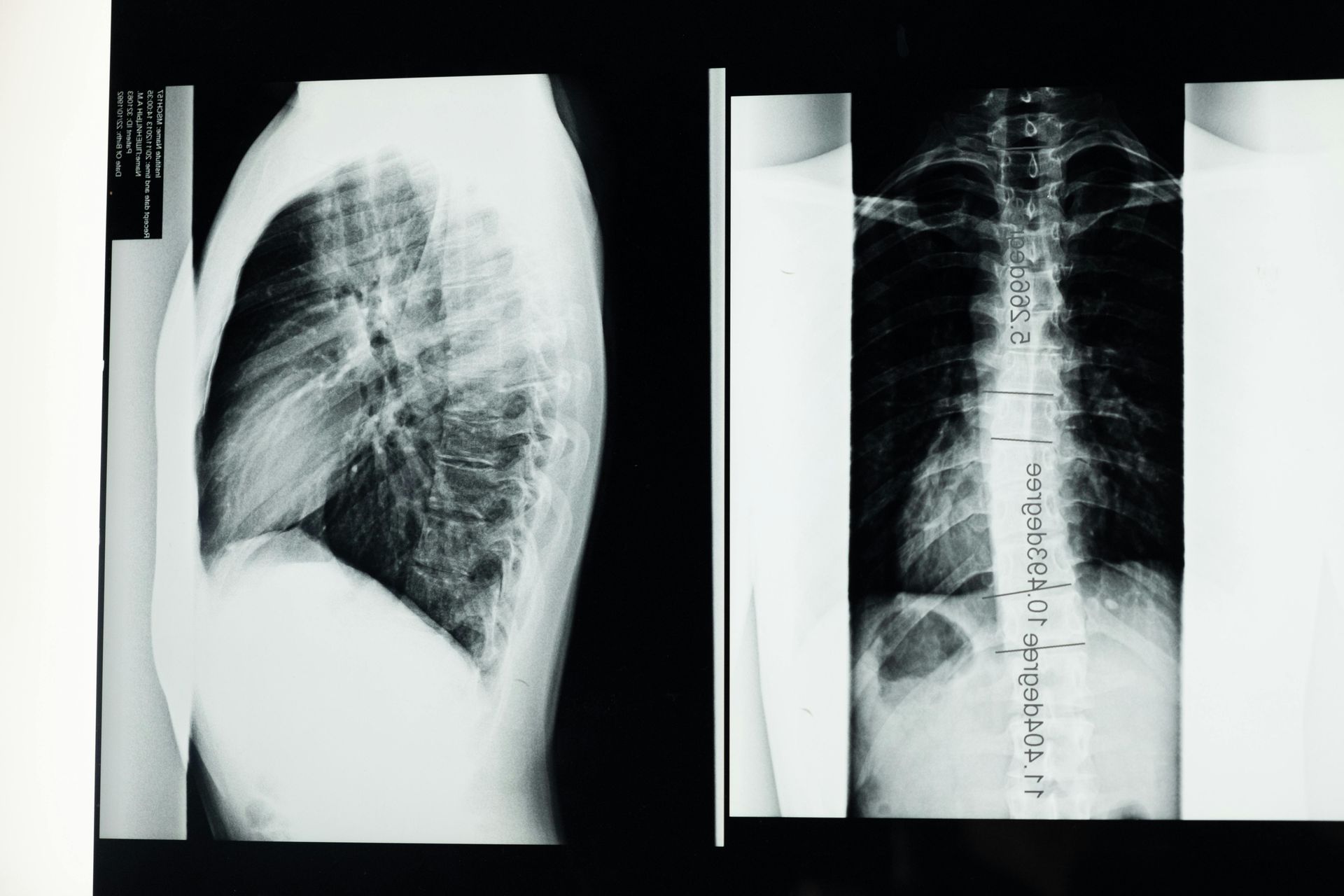
Back problems are one of the most common reasons people apply for Social Security Disability benefits. In some cases, individuals undergo
spinal fusion surgery in an attempt to relieve chronic pain, nerve compression, or instability in the spine. But even after surgery, many people continue to experience serious limitations that prevent them from returning to work.
This raises an important question:
Can you qualify for Social Security Disability benefits after a back fusion?
The answer is yes. However, it depends on how the surgery and your ongoing symptoms affect your ability to perform work activities.
What Is a Spinal Fusion?
A spinal fusion is a surgical procedure designed to stabilize the spine by permanently joining two or more vertebrae together. Surgeons often perform this procedure to treat conditions such as:
- Degenerative disc disease
- Spinal stenosis
- Herniated discs
- Spondylolisthesis
- Severe spinal instability
- Fractures or trauma to the spine
During the surgery, bone grafts, screws, rods, or plates are used to fuse the vertebrae together. The goal is to eliminate movement in the affected segment of the spine and reduce nerve compression and pain.
While some patients improve after surgery, others continue to experience significant limitations.
When Back Fusion Patients May Qualify for Disability
Social Security does not award benefits simply because someone had surgery. Instead, the agency focuses on
functional limitations caused by your condition.
You may qualify for disability benefits if, even after surgery, you continue to experience:
- Chronic back pain
- Nerve damage or radiculopathy
- Difficulty sitting, standing, or walking for long periods
- Weakness in the legs
- Loss of balance
- Reduced range of motion
- Numbness or tingling in the extremities
These limitations can make it difficult or impossible to perform basic work activities such as lifting, bending, standing, or concentrating due to pain.
Social Security Listings for Spine Disorders
In some cases, back fusion patients may qualify under Social Security’s
Listing of Impairments for disorders of the spine.
These listings evaluate issues such as:
- Nerve root compression
- Spinal arachnoiditis
- Lumbar spinal stenosis resulting in difficulty walking
- Severe neurological deficits
Meeting a listing is not required to win a disability claim, but when medical evidence clearly satisfies the criteria, it can result in faster approval.
Many Cases Are Approved Based on Functional Limitations
Most disability claims involving back fusion are decided based on
residual functional capacity (RFC).
This means Social Security evaluates:
- How long you can sit
- How long you can stand or walk
- How much weight you can lift
- Whether you can bend, twist, or stoop
- How pain affects concentration and productivity
If your limitations prevent you from performing your past work or other work that exists in the national economy, you may qualify for benefits.
Medical Evidence Is Critical
The strength of a back fusion disability case often depends on the medical evidence.
Important records may include:
- Surgical reports
- MRI or CT scan results
- Physical therapy records
- Pain management treatment notes
- Neurological examinations
- Medical source statements from treating doctors
These records help demonstrate the severity of your condition and how it affects your ability to work.
What If Surgery Didn’t Fix the Problem?
Many people believe that having surgery means Social Security will assume they should be able to return to work. In reality, that is not always the case.
Some individuals experience:
- Failed back surgery syndrome
- Continued nerve compression
- Hardware complications
- Persistent pain after fusion
When surgery does not resolve the underlying problem, the long-term limitations can still support a disability claim.
Getting Help With Your Disability Claim
Back fusion cases can be medically complex. Judges and decision-makers often rely heavily on detailed medical records and opinions from treating physicians.
At
Crossroads Disability, we help individuals present their cases clearly and thoroughly by focusing on:
- Documenting ongoing symptoms after surgery
- Highlighting objective medical evidence
- Obtaining supportive medical opinions
- Demonstrating how limitations affect the ability to work
If you have undergone a spinal fusion and are still unable to work, you may still qualify for Social Security Disability benefits.
Understanding how Social Security evaluates these cases can make a significant difference in the outcome of your claim.